
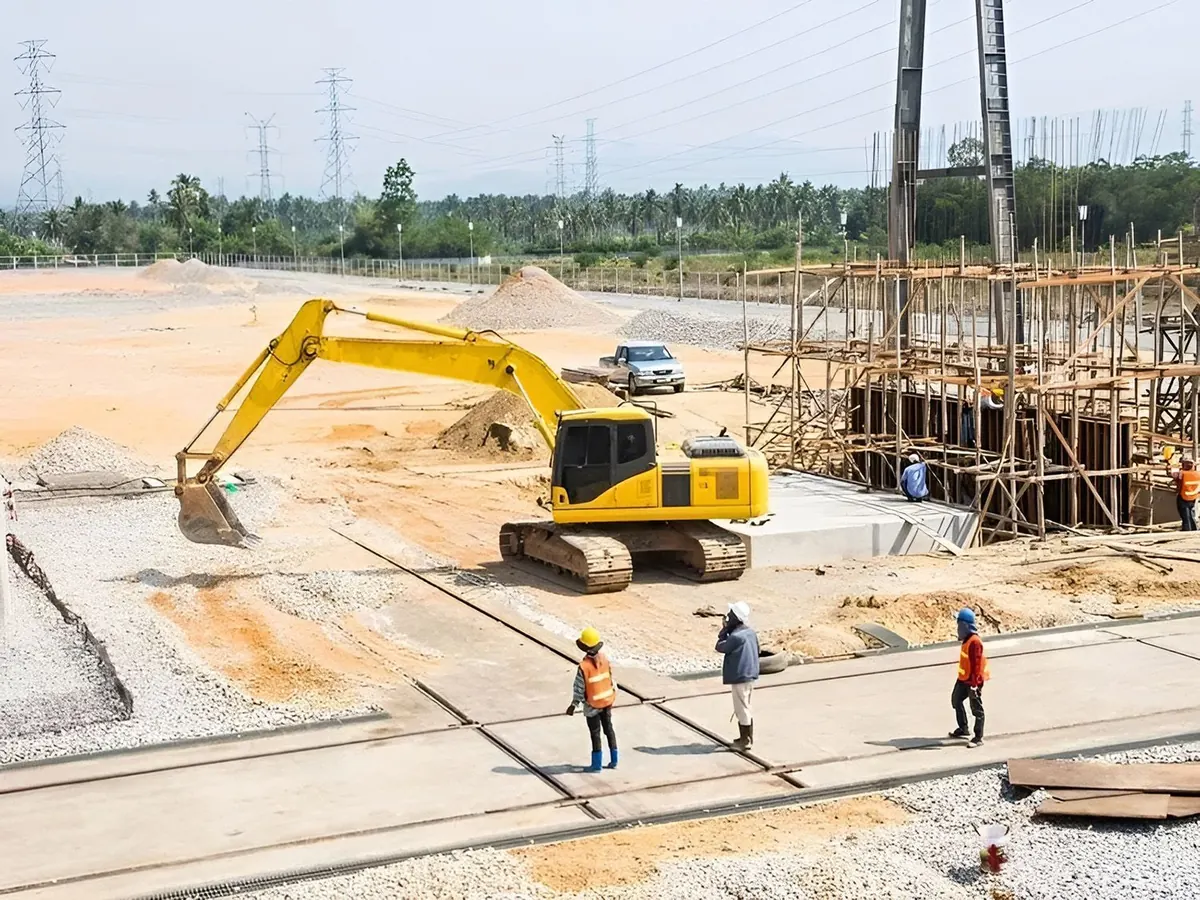
Starting a demolition project or planning excavation work is often more involved than people expect. Beneath the surface of any block lies a mix of soil types, utility lines, structural remnants and other conditions that can influence how the work unfolds. Before machinery arrives, it’s important to understand the considerations that shape an excavation and demolition on the Gold Coast. Whether preparing for a new build, removing an old structure or reshaping the land, the right site preparation and earthmoving services set the foundation for a smooth project.
1. Reading the Site Before Machines Arrive
Every demolition or excavation project begins long before the first bucket hits the ground. Reading the site properly helps identify potential risks and creates a more accurate plan. Contractors assess soil composition, structural elements, vegetation, easements and access points to understand what the job requires. A thorough assessment prevents delays later and ensures the project runs to schedule, particularly when unexpected issues emerge halfway through.
This assessment often covers:
- Soil conditions and potential instability
- Existing structures or retaining walls requiring careful removal
- Access issues that may limit machinery movement
Early site preparation shapes the success of all later stages by allowing contractors to plan the safest and most efficient method of carrying out the work.
2. Permits, Regulations & the Paperwork People Forget
Permits are an unavoidable part of demolition and excavation. Without them, projects can stall or attract penalties. Regulations exist to ensure safety, manage environmental impacts and protect surrounding properties, so they must be handled carefully. Many homeowners don’t realise how many approvals may be required until the planning process begins.
Typical permit-related considerations include:
- Determining whether demolition approval is required
- Applying for excavation or earthworks permits where necessary
- Meeting safety and environmental obligations
A contractor familiar with these requirements can guide the paperwork process, ensuring everything is completed before work begins. This removes the stress of dealing with applications and prevents the frustration of unexpected project pauses.
3. What Lies Beneath: Identifying Hidden Utilities and Hazards
Underground hazards are one of the most common causes of delays in excavation projects. Old gas lines, electrical cables, irrigation systems and stormwater pipes often sit unnoticed until work starts. Striking these services can be dangerous, causing injury or property damage. It also leads to delays, unexpected repair costs and potential shutdowns.
A responsible contractor will arrange:
- Utility detection and service mapping
- Marking or isolating known underground hazards
- Adjusting excavation plans around existing utilities
If you’re planning an excavation on the Gold Coast, identifying underground services early is essential for keeping the work safe and avoiding costly disruptions.
4. Choosing the Right Machinery for a Smooth Start
The success of a demolition or excavation project often comes down to the machinery used. Selecting the right equipment helps control the pace of the work and reduces the chance of damage to nearby structures. Tight-access blocks, sloping sites and dense soil all require specific equipment to make sure work progresses without interruption.
Contractors often provide:
- Excavators in multiple sizes
- Attachments suited to breaking, digging or lifting
- Earthmoving services for reshaping land or removing soil
With the right machinery in place, crews can move confidently through each stage without encountering setbacks from equipment limitations. It also improves accuracy, making the project more predictable and reducing the margin for error during demolition or digging.
5. Managing Waste, Rubble & the Mess Left Behind
Demolition produces a surprising amount of waste, and excavation adds soil, rock and debris to the mix. Without a waste management plan, the site can quickly become cluttered, slowing down machinery and increasing labour hours. Efficient waste handling keeps the project moving and ensures the site remains safe and workable for everyone involved.
Waste management typically includes:
- Sorting material for recycling or disposal
- Coordinating debris removal throughout the project
- Clearing the site to prepare for a rebuild or landscaping
A well-managed waste plan not only reduces tipping costs but also keeps the work area organised. This helps maintain efficiency and supports cleaner progress from the first day of work to the final site handover.
6. Soil Stability, Drainage & Preparing the Ground Properly
Proper ground preparation is essential for structural stability. When excavation reveals soil that is loose, sandy, reactive or uneven, extra work may be required to create a safe foundation. This is why site preparation plays such a strong role in the early stages of construction or redevelopment.
Ground preparation services often involve:
- Soil testing and compaction to create a stable base
- Levelling and contouring the site
- Adjusting drainage pathways to avoid future issues
An effective excavation on the Gold Coast often hinges on understanding soil behaviour and shaping the land accordingly. Ensuring drainage is correctly designed helps prevent long-term problems like erosion, pooling water or structural shifting after construction.
7. How a Detailed Timeline Prevents Expensive Delays
Demolition and excavation work often follow tight schedules, especially when new construction is planned. Without proper sequencing, one slow stage can delay everything that follows. A clear timeline helps the project run smoothly and keeps every trade aligned, reducing downtime and preventing unnecessary waiting periods.
A professional contractor will plan timelines that include:
- Staged demolition or excavation phases
- Scheduling machinery and labour efficiently
- Coordinating follow-on trades like concreters or builders
A detailed timeline allows property owners to understand how long each stage will take and helps avoid avoidable delays. Sequencing ensures that each part of the project flows naturally into the next.
8. Why Hiring the Right Demolition & Excavation Team Makes All the Difference
Choosing an experienced team ensures the project is handled with confidence and control. Skilled contractors understand the balance between machinery, timing and risk management, and they bring the expertise needed to handle unexpected challenges. A team with broad capabilities can manage a demolition on the Gold Coast, providing excavation, groundworks and full earthmoving services.
Reliable contractors generally offer:
- Safe and controlled structural removal
- Excavation for new builds, driveways or landscaping
- End-to-end solutions for reshaping land and preparing construction sites
With the right team in place, the process becomes smoother and far easier for the property owner, helping ensure deadlines are met and safety remains a priority throughout.
At On Demand Diggers, we help homeowners and builders navigate every stage of demolition and excavation with safe processes, reliable equipment and local knowledge. If you’re planning a project and want support dealing with challenges such as sandy soil, sloping blocks or older structures common on the Gold Coast, visit https://www.ondemanddiggers.com.au/ to arrange a quote or schedule an on-site assessment.