
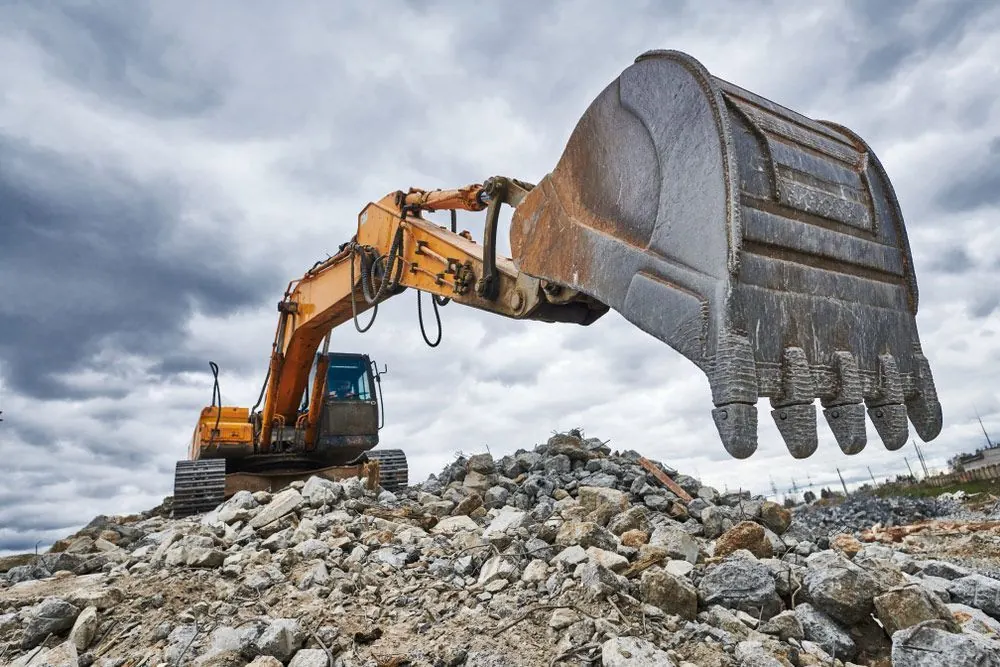
Demolition projects come with far more complexity than most people expect, especially when structures have been altered or extended over time. Anyone planning demolition on the Gold Coast quickly learns that even small buildings can hide issues like ageing materials, concealed utilities or unstable sections that need careful handling. Understanding a few building demolition tips can make the entire process safer and more predictable when the work begins. Safe demolition practices start long before machinery arrives, and avoiding common mistakes is key to a smooth, low-stress project.
1. Skipping Site Assessment Before Demolition
A demolition project should never begin without a thorough site assessment. Every structure carries its own history, and overlooking these details leads to uncertainty once machinery starts work. The age of the building, previous renovations, material changes and construction methods all influence how the structure behaves under force. These variables play a big role in demolition on the Gold Coast, where homes often combine older building styles with newer additions.
A comprehensive assessment usually involves:
- Identifying old repairs or extensions that may behave unpredictably
- Checking access routes and ground conditions
- Reviewing structural integrity before setting a demolition sequence
This process gives contractors a clear sense of where risks may arise. A proper assessment also helps map out the safest and most efficient workflow, ensuring that once machinery begins operating, there are no surprises that could compromise the project or the safety of workers.
2. Ignoring Asbestos Checks
Many older structures contain asbestos in walls, eaves, cladding, roofing or flooring. Discovering it mid-demolition leads to immediate work stoppages, extra costs and the need for licensed removal. Skipping the asbestos check results in delays that can push a project well beyond its intended timeline. It can also create health risks if fibres become airborne during the early stages of demolition.
Professional demolition services prevent this by coordinating:
- Pre-demolition asbestos testing
- Safe removal by licensed specialists
- Clear zoning of contaminated areas
By identifying asbestos before work begins, the demolition can continue without disruption. It also ensures the project remains fully compliant with safety regulations, which is essential for both residential and commercial properties.
3. Choosing the Wrong Machinery for the Job
Selecting machinery may seem straightforward, but mismatched equipment can slow down progress or create safety issues. Large machinery on a small block restricts movement and increases the risk of structural hits, while underpowered machinery turns a simple job into a drawn-out one. These challenges are common when working with a demolition contractor on the Gold Coast, as tight residential lots and mixed construction materials often require more precise equipment choices.
A skilled demolition team avoids this by offering:
- Excavators in multiple sizes for different job scales
- Attachments suitable for concrete, timber or steel
- Tight-access equipment for enclosed or congested sites
With the correct machinery, the job becomes more predictable, allowing each phase of the process to unfold efficiently. Proper equipment selection also prevents unnecessary damage to neighbouring structures, underground utilities and driveways.
4. Underestimating Structural Weak Points
Every building has load-bearing elements that support the structure. Misjudging these points or removing them out of sequence can cause sudden and uncontrolled collapse. Partial demolition carries an even higher risk because parts of the structure must remain intact while others are removed. Without proper planning, even a minor miscalculation can shift the load unexpectedly.
Professionals approach this safely through:
- Identifying load-bearing walls and critical bracing
- Planning controlled collapse points when needed
- Sequencing dismantling to maintain stability
Understanding the building’s structural behaviour protects both workers and the surrounding environment. It also ensures that remaining sections of the structure stay secure if the demolition is only partial, which is essential for extensions, renovations and internal strip-outs.
5. Forgetting Waste Management Plans
Waste management is often underestimated, yet it plays a major role in maintaining site efficiency. Piles of debris slow machinery, limit workspace, and require extra labour to correct. Poor planning also leads to higher tipping costs and missed recycling opportunities. A cluttered site can interfere with excavator access, vehicle movement and controlled dismantling.
A demolition team helps streamline this through:
- On-site sorting of materials for efficient disposal
- Concrete and metal recycling
- Scheduled debris removal to maintain a clear work zone
A well-managed waste plan prevents congestion on site and supports safe, organised demolition. It also prepares the block for the next stage of development, whether that’s earthworks, construction or landscaping.
6. Attempting DIY Structural Demolition Without Permits
DIY demolition can sometimes appear cost-effective, but structural work requires correct permits and an understanding of regulations. Removing internal walls, roofing or external structures without approval risks fines, safety hazards and significant complications should something go wrong. This is particularly important for demolition on the Gold Coast, where a mix of older homes and modern builds means regulations must be followed carefully.
Professional demolition assistance covers:
- Permit applications and documentation
- Regulatory compliance throughout the project
- Safe dismantling of structural components
Permits ensure your project meets all legal requirements and prevent costly disputes later. They also help ensure the work is performed safely, with full consideration of utilities, footings and neighbouring structures.
7. Overlooking Utility Disconnections
No demolition should begin while utilities remain live. Electricity, gas, water and telecommunications must be disconnected or capped to avoid dangerous incidents. Overlooking this step risks serious injury and can cause major property damage. Even minor contact with active services can escalate quickly during mechanical demolition.
Demolition specialists coordinate:
- Electrical isolation and meter removals
- Gas disconnection and safe capping
- Water shutoff and removal of old plumbing lines
Confirming these disconnections eliminates major hazards and ensures a controlled start to the demolition process. It also prevents accidental damage that could affect neighbouring properties.
8. Rushing the Final Site Cleanup
When the structural work is finished, the site still needs thorough preparation before construction can begin. Leaving debris behind, ignoring uneven surfaces or failing to clear organic waste creates unnecessary complications for the next trades. Clean, level ground makes earthmoving and building far simpler.
A complete post-demolition service includes:
- Clearing all rubble and leftover materials
- Levelling the site and preparing ground conditions
- Ensuring the area is safe and accessible for builders
Taking time to finish the cleanup properly ensures a smooth transition into the next phase, reducing delays and extra costs during construction.
At On Demand Diggers & Demolition, we provide reliable and safe demolition services backed by experience with tight-access sites, older structures, waste removal, and complex utility disconnections. If you need a demolition contractor on the Gold Coast who can guide your project from planning through to completion, visit us at https://www.ondemanddiggers.com.au/ to request a quote or book an on-site assessment. We understand the unique challenges that come with local soil conditions, older buildings and shifting regulations, and we’re here to help ensure your demolition project runs smoothly from start to finish.