
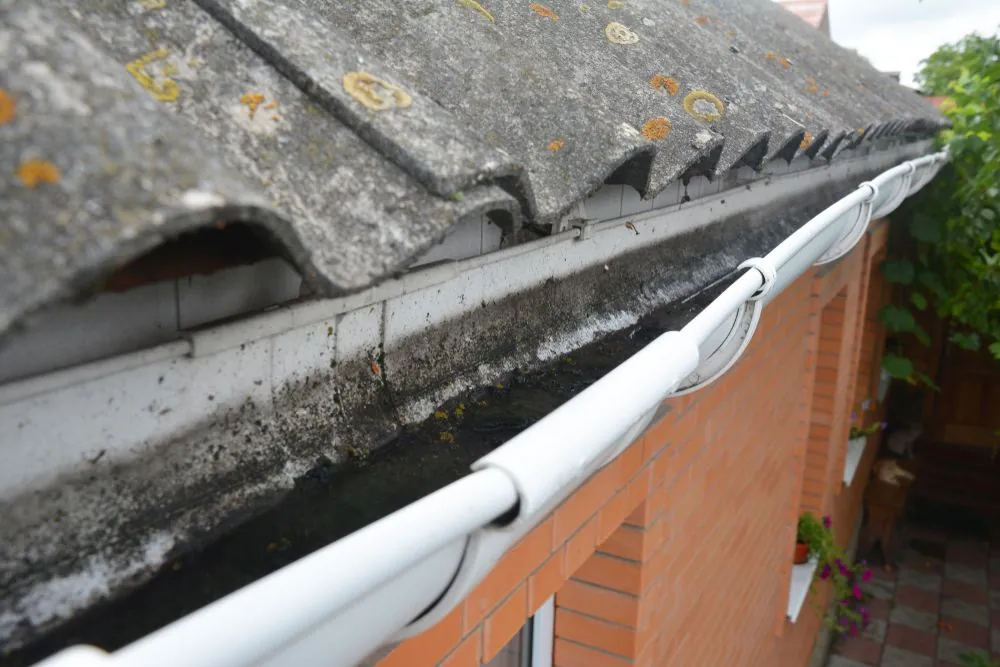
If your Gold Coast home was built or renovated before 1990, some building materials may contain asbestos. You cannot reliably confirm asbestos by appearance alone, so professional testing is the safest approach before renovation, demolition or any work that could disturb suspected materials. Knowing the common signs of asbestos in the home is therefore less about trying to identify asbestos yourself and more about recognising when your property’s age, materials or renovation history should prompt professional testing.
Why Older Gold Coast Homes Are More Likely to Contain Asbestos
Asbestos-containing building products were widely used in Australian construction before 1990. For Gold Coast homeowners, this means an older property may contain asbestos in original building materials or in additions and renovations completed decades ago. The age of a house is an important indicator that testing may be appropriate, but it does not confirm whether asbestos is present. Even within the same property, materials may come from different periods because bathrooms, kitchens, roofs and extensions are often updated at different times.
For example, consider a homeowner preparing to renovate a 1970s Gold Coast house with a bathroom that was remodelled in the 1980s. Newer tiles or finishes do not necessarily tell you what materials remain underneath. According to industry best practice, suspected materials should be professionally assessed and tested where necessary before renovation work begins. This is why pre-1990 homes and asbestos should be considered during renovation planning rather than after demolition has already started.
Common Places Asbestos Is Found Around the Home
Asbestos-containing products were used across many parts of Australian homes. In older Gold Coast properties, potentially affected materials can occur both inside and outside the building.
Areas that may warrant professional assessment include:
- wall and ceiling sheeting
- external cladding
- roofing materials
- bathrooms, kitchens and laundries
- flooring and materials beneath floor coverings
- older fencing
- sheds, garages and other outbuildings
- areas affected by older extensions or renovations.
The presence of an older material in one of these locations does not mean it contains asbestos. Colour, texture, location and appearance are not reliable ways for a homeowner to make that determination. If a renovation will disturb older building materials, arranging professional asbestos testing on the Gold Coast before work starts can establish whether asbestos is actually present and help determine what needs to happen next.
What is the difference between bonded and friable asbestos?
Understanding bonded vs friable asbestos is useful because the condition and type of asbestos-containing material affect how removal must be managed. Bonded, or non-friable, asbestos has asbestos fibres bound within another material. Friable asbestos is material containing asbestos that can be crumbled, pulverised or reduced to powder by hand pressure when dry. Homeowners should never try to determine which category a suspected material falls into by breaking, scraping or handling it. Professional assessment and testing provide the appropriate basis for planning any further work.
Signs That Should Prompt Professional Testing
There is no single visual sign that proves a building material contains asbestos. Instead, certain property and project circumstances should prompt you to arrange professional advice before proceeding.
Professional testing may be appropriate if:
- your home was built or renovated before 1990
- you are preparing for a bathroom, kitchen or laundry renovation
- older wall, ceiling, roofing, flooring or cladding materials will be disturbed
- you do not know when previous renovations were completed
- you are planning substantial structural changes or demolition
- older materials are damaged or deteriorating and you are unsure what they contain.
One of the most important considerations is what will happen to the material during your project. Renovation and demolition can involve drilling, cutting, sanding, breaking or removing existing materials, so suspected asbestos should be identified before those activities begin. Do not disturb a material simply to find out what it is. Professional assessment and appropriate testing can establish whether asbestos is present without relying on DIY identification.
What to Do If You Suspect Asbestos
If you suspect a material in your home could contain asbestos, avoid disturbing it and arrange professional advice before continuing renovation or demolition work in that area. Do not assume that a material is safe because it looks intact, resembles a newer product or cannot be identified from old building records. Equally, an older-looking material should not automatically be described as asbestos without testing.
If testing confirms asbestos, the appropriate next step depends on factors including the type and condition of the material and the work planned for the property. Queensland licensing requirements also differ depending on the type and quantity of asbestos being removed, which is another reason professional advice matters. Where asbestos forms part of a larger renovation or knock-down project, its removal may need to be coordinated with residential demolition. For properties requiring broader clean-up or treatment, site remediation may also form part of the overall works.
Planning these stages before demolition begins can reduce the chance of suspected asbestos unexpectedly interrupting the wider project.
Getting Professional Testing and Removal
If you’re unsure whether a material contains asbestos, professional testing is the safest way to get a clear answer. You won’t have to rely on how a material looks or make assumptions based on the age of your home. If asbestos is confirmed, it may need to be removed before your renovation or demolition can move forward. For asbestos removal on the Gold Coast, our team can safely remove the confirmed asbestos-containing materials so the rest of your project can proceed as planned.
For homeowners renovating an older property, organising professional asbestos removal on the Gold Coast before other trades disturb affected areas can also help keep the sequence of work clear. This is particularly important where asbestos removal needs to happen before demolition, stripping out or structural renovation can continue.
Costs will vary depending on the project rather than following a single standard price. Once testing confirms what you are dealing with, our guide to asbestos removal cost on the Gold Coast explains the factors that can influence your budget. The key takeaway is simple: if you have an older Gold Coast property and are unsure about a material, confirm what it is before disturbing it. Testing early gives you clearer information for planning your renovation, demolition and any necessary asbestos removal on the Gold Coast.
If you are preparing to renovate or demolish an older property, On Demand Diggers & Demolitions can help you plan the asbestos-related stage of the project safely and appropriately. Contact our team to discuss asbestos testing and removal requirements before demolition or renovation work gets underway.
Frequently Asked Questions
How can I tell if my Gold Coast home has asbestos?
You cannot reliably confirm asbestos simply by looking at a building material. The age of the property, renovation history and types of materials present can indicate that professional testing is appropriate, but they do not confirm that asbestos is present.
Are pre-1990 homes likely to contain asbestos?
Homes built or renovated before 1990 may contain asbestos-containing materials because these products were widely used in Australian construction during earlier decades. The age of your home should therefore prompt caution before renovation or demolition, but professional testing is required to establish whether a particular material contains asbestos.
Should I get asbestos testing before renovating?
If your renovation could disturb older or suspected asbestos-containing materials, professional testing before work begins is a sensible safety measure. Early testing can also help contractors plan the correct sequence for removal, demolition and renovation work.
Can you identify asbestos from a photo?
A photograph cannot reliably confirm that a material contains or does not contain asbestos. If confirmation is required, the material should be professionally assessed and appropriately tested rather than identified through appearance alone.
What is the difference between bonded and friable asbestos?
Bonded or non-friable asbestos has asbestos fibres bound within another material, while friable asbestos can be crumbled, pulverised or reduced to powder by hand pressure when dry. Different removal and licensing requirements can apply, so homeowners should not attempt to determine the category by disturbing suspected material.
Who should I contact for asbestos removal on the Gold Coast?
If testing confirms asbestos, speak with a contractor who holds the appropriate licence for the type and scope of removal required. On Demand Diggers & Demolitions provides asbestos removal services on the Gold Coast and can help coordinate this work where it forms part of a renovation or demolition project.