
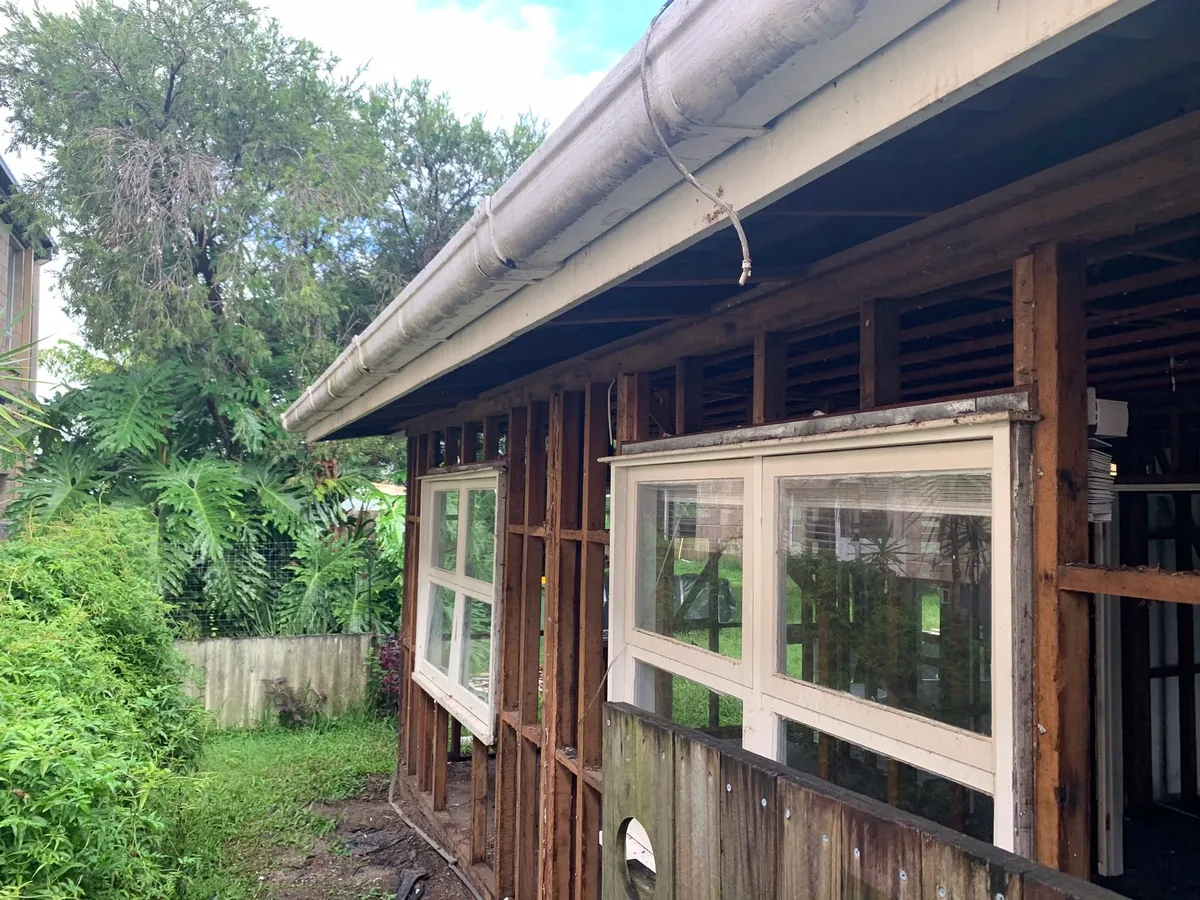
Planning a knock down rebuild on the Gold Coast involves more than removing an old house and starting construction. Before demolition on the Gold Coast begins, you need to organise inspections, utility disconnections and any required approvals. Understanding these steps can help you avoid delays, manage your budget and prepare your property for its next chapter.
At On Demand Diggers & Demolitions, we understand how important the demolition stage is to your overall building schedule. Here's what Gold Coast homeowners should know before getting started.
What Happens Before Demolition Begins?
The preparation stage often takes longer than the demolition itself. Before machinery arrives, several checks and arrangements need to be completed to ensure the site is ready for work.
For a typical knock down rebuild Gold Coast project, the process involves:
- Confirming approvals: Check whether demolition approval or other permissions are required for your property. Our guide to council approval for demolition on the Gold Coast explains what to consider.
- Inspecting for asbestos: Older homes may contain asbestos in wall sheeting, eaves, roofing or other building materials. An appropriate inspection helps identify materials requiring specialist handling.
- Arranging asbestos removal: Where asbestos is identified, any required licensed Gold Coast asbestos removal must be completed, with the necessary clearance obtained before demolition proceeds.
- Disconnecting utilities: Electricity disconnection arrangements with Energex, gas disconnection and appropriate water and sewer isolation or capping must be organised.
- Preparing the site: Identify trees, fences, neighbouring structures and other features that need protection during demolition.
These tasks may involve different contractors, authorities and service providers. Coordinating them early can help prevent unnecessary interruptions.
How Long Does a Knock Down Rebuild Take?
A complete knock down rebuild can take many months, depending on design approvals, site conditions, builder availability and construction requirements. However, the physical demolition stage is usually much shorter.
For a straightforward residential property, the main structure may be demolished in approximately 1–3 days once the site is ready. This is an indicative timeframe rather than a guarantee, and it does not necessarily include asbestos removal, slab removal, waste disposal or final site preparation.
The biggest delays often occur before demolition begins. Electricity and gas disconnections, asbestos inspections and approval requirements can all affect when work can start.
For example, a homeowner might have their new home plans finalised and their builder ready to proceed, only to discover that the electricity disconnection has not been scheduled. Even if the house could be demolished quickly, machinery cannot safely begin until the necessary preparations are complete.
We recommend discussing demolition requirements with your builder early so the work can be coordinated with the planned construction schedule.
What Does House Demolition Cost on the Gold Coast?
House demolition costs depend on the property's size, construction materials, accessibility and the amount of material requiring removal. There is no single price that applies to every knock down rebuild.
Several factors can influence your demolition quote:
- Building size & materials: Larger homes and structures containing substantial concrete, brick or other heavy materials may require additional equipment and disposal.
- Asbestos: Identified asbestos-containing materials can increase preparation, removal and disposal costs.
- Site access: Narrow driveways, sloping blocks and restricted machinery access may affect how work is completed.
- Concrete removal: Existing slabs, footings, driveways and other structures may need to be broken up and removed.
- Waste disposal: The type and quantity of demolition waste influence transport and disposal requirements.
The demolition component is only one part of the overall rebuilding budget. You'll also need to consider design, approvals, construction, site preparation and potential additional works.
If you're researching how much a knock down rebuild costs, it's worth separating the demolition quote from the builder's construction price to understand what's included.
For a more detailed breakdown of the factors affecting pricing, read our demolition cost guide.
What Happens During Residential Demolition?
Once the required approvals, inspections and disconnections are complete, demolition can move into the physical removal stage.
Our residential demolition on the Gold Coast helps property owners prepare existing sites for new construction. The scope of work depends on the property and what your builder needs removed. This may include demolishing the existing dwelling, removing nominated outbuildings and clearing unwanted structures.
Slabs and footings are particularly important in knock down rebuild projects. Leaving old concrete beneath the proposed building area may interfere with excavation, new foundations or other construction work.
Before demolition begins, it's also important to identify anything you want to retain. This might include established trees, boundary fences, landscaping features or structures that will remain part of the new property.
Protecting these features requires planning around machinery access, demolition boundaries and the condition of surrounding structures.
Preparing the Block for Your Builder
Demolition isn't finished simply because the house has been knocked down. The site must also be prepared for the next stage of construction.
Depending on the agreed scope, this can involve removing demolition debris, breaking up existing concrete, clearing unwanted materials and grading the block.
Your builder may also require further earthworks, soil testing, surveying or foundation preparation before construction begins. For example, a Gold Coast homeowner replacing an older brick home with a modern two-storey design may need the existing house, concrete slab and footings removed before the builder can establish the new foundations.
Confirming these requirements before demolition helps prevent confusion over which contractor is responsible for each task.
A cleared, appropriately graded site provides a starting point for the builder's next stage, although further site preparation may still be necessary before the new slab is installed.
Is It Better to Knock Down & Rebuild or Renovate?
The better option depends on your home's condition, renovation requirements, budget and long-term plans.
Renovating may be suitable when the existing structure is sound and the changes you want are relatively straightforward. It can allow you to retain parts of the home while improving its functionality.
A knockdown rebuild may be worth considering when the existing layout no longer suits your needs, extensive structural changes are required or you want an entirely different home design.
However, rebuilding involves additional considerations, including demolition, approvals, temporary accommodation and construction costs.
Before deciding, compare realistic renovation quotes with the full estimated cost of rebuilding. Consider whether your preferred new design is achievable under the planning controls affecting your property.
For Gold Coast homeowners who choose to rebuild, organising demolition early can make the transition from the existing house to new construction more manageable.
Plan Your Demolition Before Construction Begins
Successful knock down rebuild projects rely on getting the sequence right. Approvals, asbestos inspections, utility disconnections and site preparation should be considered well before your planned demolition date.
Although removing the house may take only a few days, the preparation and clearing stages can have a much greater impact on your overall timeline.
Ready to prepare your property for a new build? Contact On Demand Diggers & Demolitions to discuss your residential demolition requirements on the Gold Coast and request a quote for your project.
Frequently Asked Questions
Do I need to disconnect electricity before demolishing a house?
Yes. Electricity must be safely disconnected and the necessary arrangements confirmed before demolition begins. Contact your electricity retailer or relevant network provider early, as disconnection arrangements can affect your schedule.
Can I demolish a house with asbestos?
A house containing asbestos can be demolished, but asbestos risks must be assessed and managed according to the applicable requirements. Identified asbestos-containing materials may need to be removed by a licensed asbestos removalist before general demolition, with appropriate clearance documentation.
Do I need to remove the old concrete slab before rebuilding?
Often, yes. Existing slabs and footings may need removal to accommodate the new building design and foundation requirements. Confirm the extent of concrete removal with your builder before finalising the demolition scope.
Can I keep trees and fences during demolition?
Trees, fences and other existing features may be retained if they can be safely protected. Their location, condition and proximity to demolition work will influence the approach, so identify anything you want to keep before work begins.
When should I book demolition for a knock down rebuild?
Start planning demolition as soon as your builder can confirm the required site handover conditions and likely construction schedule. This gives you time to organise approvals, inspections and utility disconnections before the planned start date.